As single-use plastic bans expand, brands are hunting for biodegradable packaging. Banana fiber is fast becoming a favorite.
The plastic-free packaging shift
Governments worldwide are tightening rules on single-use plastic, and brands are racing to find renewable replacements. Banana fiber — strong, biodegradable and made from agricultural waste — is emerging as a standout material for sustainable packaging in 2026.
Because it comes from the banana pseudostem, a by-product normally discarded after harvest, it carries a compelling zero-waste, plastic-free story that resonates with eco-conscious customers.
Packaging applications
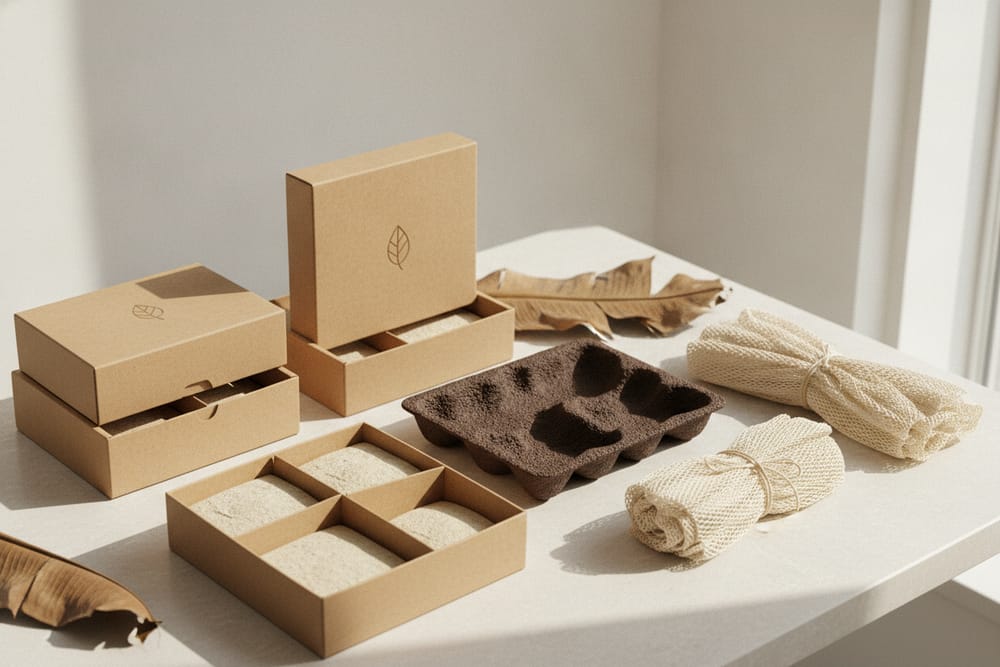
Molded packaging and trays: banana fiber pulp can be molded into protective trays and inserts as an alternative to foam and plastic.
Paper and board: its long cellulose strands make strong kraft-style paper for boxes, bags and wrapping.
Cushioning and void fill: loose fiber and fiber mats protect fragile goods in transit, replacing bubble wrap.
Specialty packaging: tea bags, sachets and premium gift packaging benefit from banana fiber's strength and natural look.
Why brands choose it
Fully biodegradable and compostable, so it does not add to landfill or ocean plastic.
Renewable and waste-derived, supporting a circular economy.
Strong and lightweight, keeping shipping costs and breakage down.
A genuine sustainability narrative that strengthens brand image.
Sourcing fiber for packaging
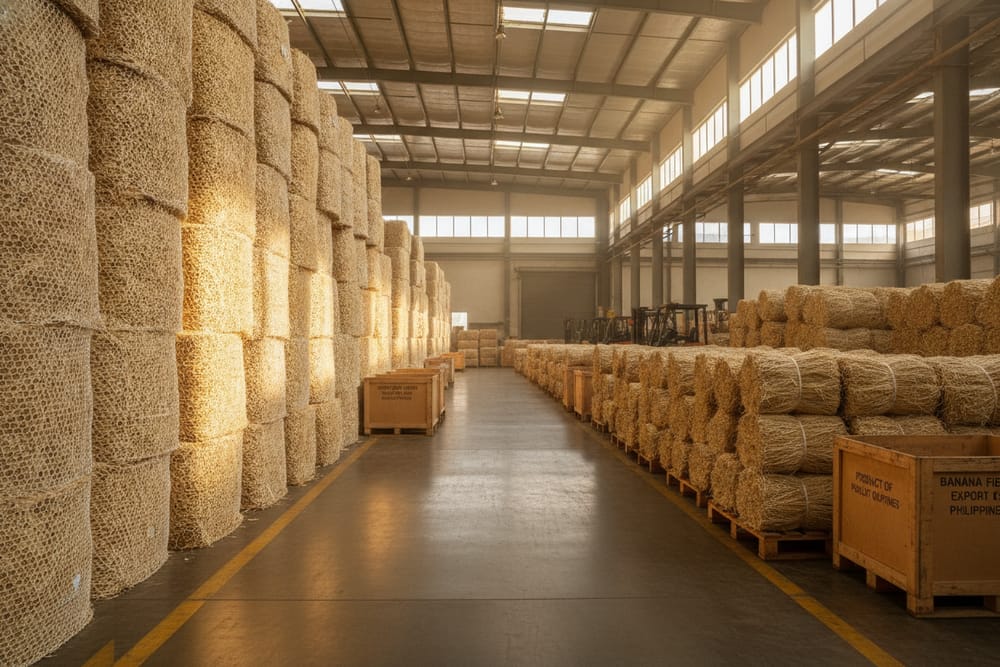
Packaging typically uses Grade B and Grade C banana fiber, where strength and volume matter more than fine texture. EcoFiber BD supplies these grades from Bangladesh — request a quotation and a sample to test molding, pulping or cushioning for your packaging line.
Looking to buy banana fiber?
EcoFiber BD supplies premium raw banana fiber — Grade A, B & C — from Bangladesh. Request a quotation or a sample.